Disaster Preparedness: Is Your Rental Property Ready for the Unexpected?
Disaster Preparedness: Is Your Rental Property Ready for the Unexpected?
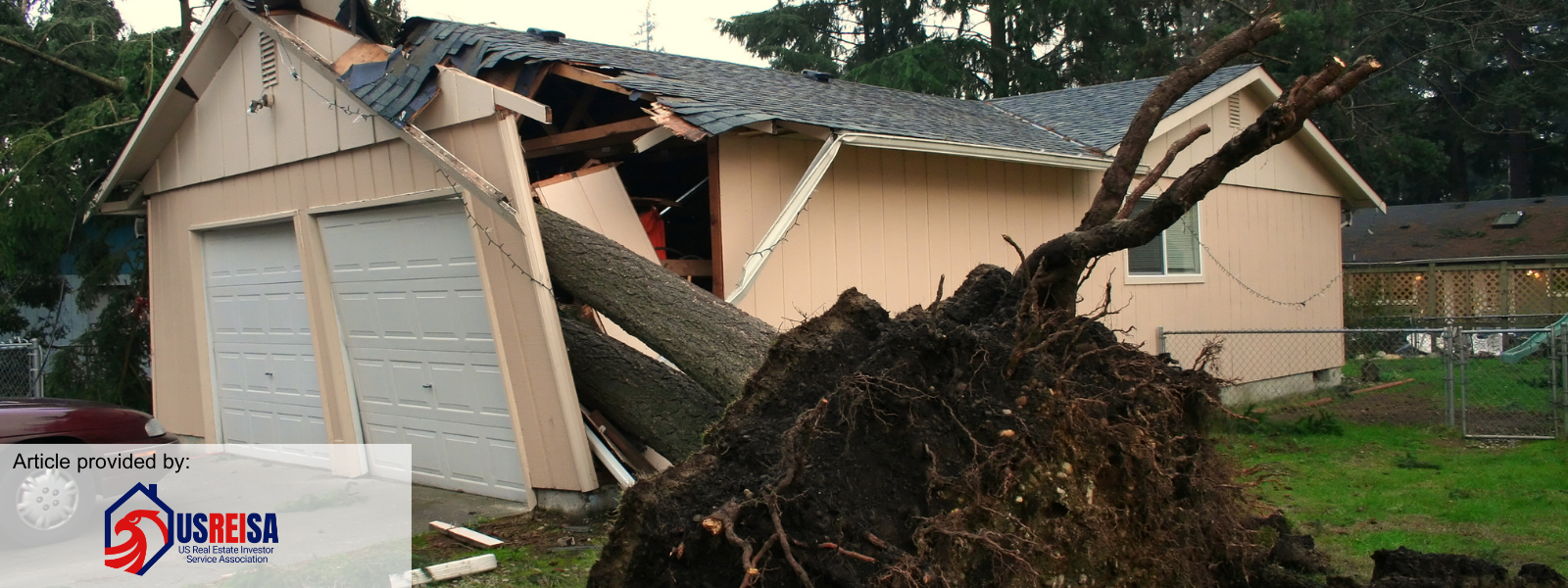
Hurricanes, wildfires, tornadoes, and severe storms can strike with little warning. For rental property owners, being prepared isn't just about protecting an investment. It's about protecting the people who call that property home.
Natural disasters are a risk that every real estate investor should take seriously, regardless of where their properties are located. From hurricanes along the coast to tornadoes in the Midwest and wildfires in the West, different regions face different threats. But one thing remains consistent: preparation can make a meaningful difference.
While property owners can't control the weather, they can take proactive steps to reduce preventable damage, protect tenants, and prepare for a faster recovery.
Start With Tenant Safety
Before thinking about protecting the building, think about protecting the people inside it.
Rental property owners should have a plan for communicating with tenants before, during, and after a natural disaster. That includes maintaining updated contact information, sharing local emergency resources, and making sure tenants know how to receive severe weather alerts and evacuation instructions.
The Federal Emergency Management Agency (FEMA) encourages households to establish emergency communication plans, prepare disaster supply kits, and understand the specific risks in their communities.
For landlords, providing tenants with this information before an emergency can help them make informed decisions when every minute matters.
Prepare Your Property Before Severe Weather Arrives
A little preventative maintenance can go a long way toward reducing property damage.
Depending on the risks in your area, consider these precautions:
-
Hurricanes and severe storms: Inspect roofs, secure outdoor furniture and equipment, clear gutters and drainage systems, and address loose or damaged exterior components.
-
Tornadoes: Identify appropriate shelter locations, communicate them to tenants, and consider whether a FEMA-compliant safe room or storm shelter is appropriate for the property.
-
Wildfires: Clear combustible debris, maintain vegetation, and establish defensible space around buildings according to local fire-safety recommendations.
-
Flooding: Keep drainage systems functioning, understand the property's flood risk, and consider appropriate protective measures for vulnerable mechanical equipment.
These precautions cannot eliminate the risk of damage, but they may reduce preventable losses and help properties withstand severe conditions.
Don't Wait Until a Disaster to Review Insurance Coverage
One of the most important steps investors can take is understanding their insurance coverage before a loss occurs.
Not all property insurance policies cover the same risks. Flood damage, named storms, wind, hail, and loss of rental income may be subject to separate coverage requirements, exclusions, deductibles, or limitations.
For example, standard property insurance generally does not cover flooding. Depending on the property's location and insurance policy, separate flood coverage may be necessary.
Investors should review their policies with a qualified insurance professional to understand what is covered and whether their protection aligns with the property's specific risks. (The experts at NREIG can help)
Build a Disaster Response Plan
Preparedness doesn't end with securing the property.
Investors should maintain updated photographs of their properties, securely store important documents, and keep contact information for insurance representatives, contractors, property managers, and emergency services readily available.
After a disaster, prioritize tenant and personal safety. Do not enter damaged buildings until authorities indicate it is safe. When conditions permit, document damage and contact the insurance provider to begin the claims process.
Resources Every Rental Property Owner Should Know
National Real Estate Insurance Group (NREIG) provides practical disaster-preparedness guidance specifically for real estate investors, including steps to prepare properties and communicate with tenants before hurricanes, wildfires, and tornadoes.
Read NREIG's Guide: Wildfires, Hurricanes & Tornadoes Are in Season. Is Your Property Ready, Too?
Investors in hurricane-prone regions can also use NREIG's dedicated preparation checklist:
View NREIG's Hurricane Preparation Checklist for Investors
FEMA and Ready.gov also provide emergency-planning information, disaster supply recommendations, and guidance for specific natural hazards.
Explore FEMA's Disaster Preparedness Resources at Ready.gov
Investor News You Can Use: Your Action Step
Take 15 minutes this week to review the disaster-preparedness plan for each of your rental properties. Identify the most likely natural hazards, confirm that tenants have access to emergency information, review your insurance coverage, and address any obvious maintenance concerns.
The Bottom Line: Disaster preparedness is part of responsible rental property ownership. Putting tenant safety first, maintaining your property, and planning ahead can help reduce risks and protect your investment when the unexpected happens.
Disclaimer: This article is provided for informational and educational purposes only and does not constitute legal, tax, financial, insurance, investment, or other professional advice. Disaster risks, emergency guidance, and insurance coverage vary by location and policy. Always follow local emergency management instructions, review your coverage with a qualified insurance professional, and consult appropriate professionals regarding property safety and preparedness. Third-party resources are provided for educational purposes.